

Working At Height
Working at height is one of the leading causes of workplace injuries and fatalities. Our Working at Height Safety Training course is designed to provide participants with the essential knowledge and skills needed to work safely at heights. This comprehensive training covers both theoretical and practical aspects, ensuring that participants understand the risks and best practices associated with working at heights.
Course Overview
| Course Name | Working At Height Safety Training |
| Duration | 1 Day |
| Delivery Type | Theory & Practical |
| Languages Available | English and Local Language |
| Minimum Qualification Required | 8th Pass |
Course Description
Working at height is one of the leading causes of workplace injuries and fatalities. Our Working at Height Safety Training course is designed to provide participants with the essential knowledge and skills needed to work safely at heights. This comprehensive training covers both theoretical and practical aspects, ensuring that participants understand the risks and best practices associated with working at heights.
Who Should Attend?
This course is ideal for
- Workers who are required to perform tasks at height.
- Supervisors and managers responsible for overseeing work at height activities.
- Safety officers and personnel involved in health and safety management.
- Anyone seeking to enhance their knowledge and skills in height safety practices.
Course Schedule
- Session: 9:00 AM – 12:30 PM (Theory)
- Lunch Break: 12:30 PM – 1:30 PM
- Afternoon Session: 1:30 PM – 5:00 PM (Practical)
Training Methodology
Our training combines engaging lectures, interactive discussions, and hands-on practical sessions to ensure a comprehensive learning experience. Participants will have access to the latest safety equipment and real-life scenarios to practice their skills.
Practical Learning Approach
The course is designed to balance theoretical knowledge with practical application. Experienced instructors explain important safety principles and demonstrate how they can be applied in real workplace situations. This approach helps participants understand not only what safe working practices are, but also why they are important.
Through interactive discussions, participants can ask questions, share workplace experiences, and gain a better understanding of common safety challenges. Trainers encourage active participation throughout the course so that learners can build confidence and develop practical decision-making skills.
Hands-On Training
Practical activities form an important part of the learning process. Participants are given opportunities to work with relevant safety equipment and practice appropriate procedures under the guidance of experienced trainers. Real-life scenarios are used to help learners recognize potential hazards and understand how to respond safely.
Where appropriate, practical exercises may include equipment checks, hazard identification, safe working procedures, emergency response activities, and the correct use of personal protective equipment (PPE). These activities help participants transfer classroom knowledge into practical workplace skills.
Interactive Discussions
The training environment encourages open communication between instructors and participants. Group discussions and question-and-answer sessions allow learners to clarify difficult topics and explore practical examples related to their work.
This interactive approach also allows trainers to address common mistakes and explain safer alternatives. By discussing real workplace situations, participants can better understand how safety procedures should be followed in different circumstances.
Real-Life Scenarios
Real-life examples and workplace scenarios are included to make the learning experience more relevant. Participants can review potential incidents, identify contributing hazards, and discuss appropriate preventive measures.
These activities encourage learners to think critically about workplace safety and understand how proper planning, communication, and risk control can help prevent accidents and injuries.
For more information about available courses, explore OGTA’s HSE Training programs. Organizations can also explore HSE Auditing services to identify potential areas for improvement in their workplace safety practices.
For additional occupational safety information, participants can refer to the International Labour Organization (ILO), which provides resources and guidance on workplace health and safety.
Continuous Learning
The learning process encourages participants to continue applying the knowledge and skills gained during the course after returning to their workplace. Regular safety awareness, practical experience, workplace inspections, and ongoing professional development can help reinforce safe working practices.
By combining expert instruction, interactive learning, practical activities, modern safety equipment, and realistic workplace scenarios, the methodology provides participants with a well-rounded learning experience. The overall objective is to help learners develop the knowledge, confidence, and practical skills required to contribute to a safer working environment.
Course Outline
By the end of this course, participants will be able to:
- Understand the legal requirements and regulations related to working at heights.
- Identify the hazards associated with working at heights and implement control measures to mitigate risks.
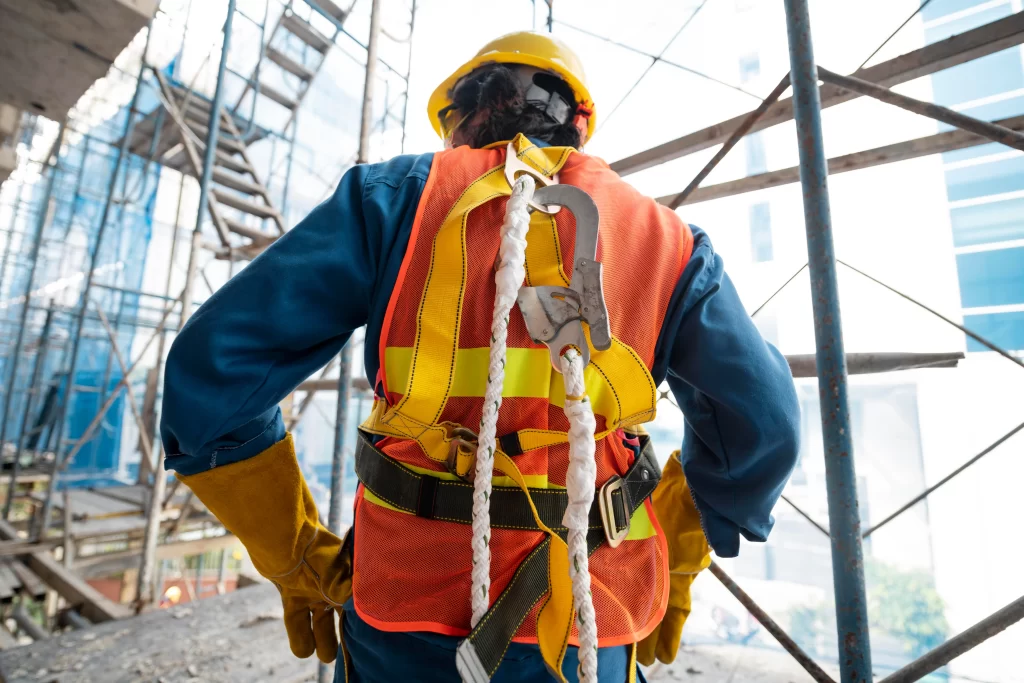
- Demonstrate the correct use of fall protection equipment, including harnesses, lanyards, and anchor points.
- Conduct a thorough risk assessment and develop safe work procedures for tasks involving heights.
- Respond effectively to emergency situations, including rescue techniques and first aid procedures.
Certification
Participants who successfully complete the course will receive a certificate of completion, valid for two years. This certification demonstrates their competence in working safely at heights and their commitment to maintaining a safe work environment.