
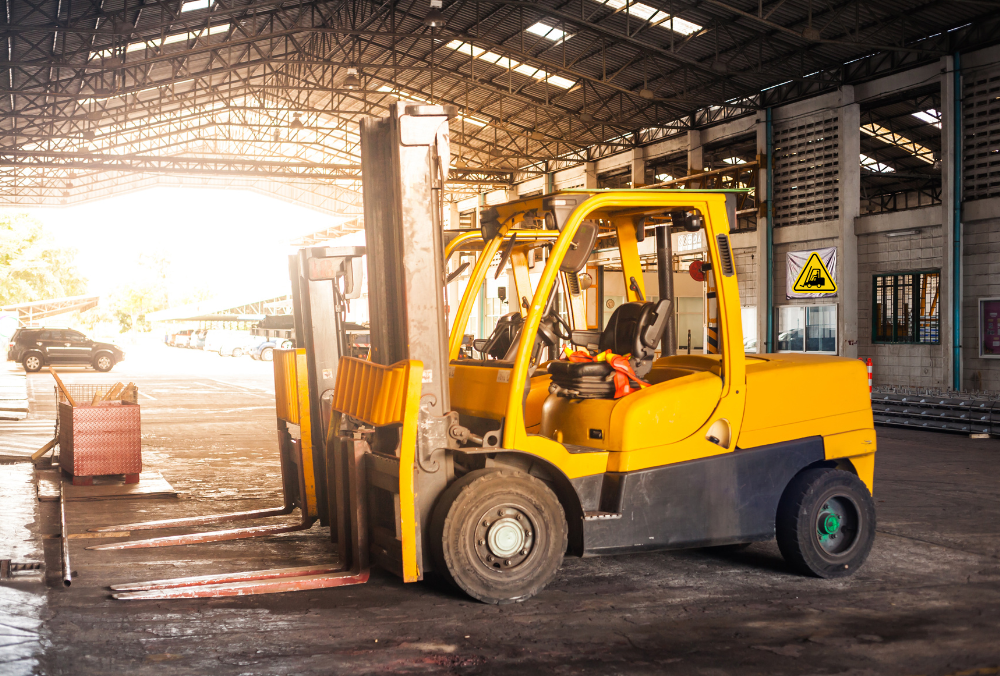
Forklift Safety Training
Our Forklift Safety Training course is designed to provide participants with the essential knowledge and skills needed to operate forklifts safely and efficiently. This comprehensive 2-day course combines theoretical instruction with practical hands-on experience, ensuring that all participants are well-equipped to handle forklifts in a variety of settings.
Course Overview
| Course Name | Forklift Safety Training |
| Duration | 2 Days |
| Delivery Type | Theory & Practical |
| Languages Available | English and Local Language |
| Minimum Qualification Required | 8th Pass |
Course Description
Our Forklift Safety Training course is designed to provide participants with the essential knowledge and skills needed to operate forklifts safely and efficiently. This comprehensive 2-day course combines theoretical instruction with practical hands-on experience, ensuring that all participants are well-equipped to handle forklifts in a variety of settings.
Who Should Attend?
This course is ideal for
- New and experienced forklift operators seeking formal training.
- Warehouse and logistics personnel.
- Supervisors and safety officers in charge of forklift operations.
- Anyone looking to enhance their forklift safety knowledge and skills.
Course Objectives
By the end of this course, participants will be able to:
- Understand the fundamental principles of forklift operation.
- Be able to identify and avoid potential hazards associated with forklift use.
- Gain practical experience in operating a forklift safely and efficiently.
- Learn about the importance of regular maintenance and safety checks.
Benefits of Attending
- Enhanced understanding of forklift safety protocols.
- Improved operational efficiency and reduced risk of accidents.
- Certification of completion, demonstrating competence in forklift operation.
- Increased employability and professional development opportunities.
Certification
Upon successful completion of the course, participants will receive a Forklift Safety Training Certificate, validating their knowledge and skills in forklift operation and safety.
Assessment Process
Participants are assessed on their understanding of important workplace procedures and safe equipment operation. The assessment may include theoretical questions as well as practical activities designed to evaluate how effectively learners can apply the information covered during the course.
The evaluation helps trainers determine whether participants understand key areas such as pre-use inspections, safe operating practices, load handling, workplace hazards, pedestrian awareness, and appropriate emergency procedures.
Practical Evaluation
Practical activities allow participants to demonstrate their understanding in a controlled environment. Learners may be required to complete basic equipment checks, demonstrate safe operating techniques, and respond appropriately to common workplace scenarios.
Trainer guidance and feedback are provided throughout the practical activities. This helps participants identify areas that require improvement and develop greater confidence when working around powered industrial equipment.
Certificate Requirements
Participants are expected to attend the required sessions and successfully complete the relevant assessment activities. Those who meet the course requirements will receive their certificate upon completion.
The certificate can be retained as part of an employee’s professional training record and may help organizations maintain documentation of staff development and workplace safety awareness.
Applying Knowledge at Work
Completing the course is an important step toward maintaining safe working practices, but participants should continue applying the knowledge gained during their daily activities. Regular equipment inspections, workplace awareness, appropriate communication, and adherence to established procedures can help reduce avoidable incidents.
Employers can also reinforce learning through refresher sessions, workplace observations, toolbox talks, and regular reviews of operating procedures.
For organizations looking for additional workplace safety programs, explore OGTA’s HSE Training services. Organizations can also use HSE Auditing services to review workplace practices and identify potential areas for improvement.
For additional information about occupational safety and health, the International Labour Organization (ILO) provides useful resources and international guidance.
Ongoing Safety Awareness
Safe equipment operation requires continued attention and responsible workplace behavior. Participants are encouraged to follow manufacturer instructions, workplace policies, and established safety procedures at all times.
By combining assessment, practical evaluation, trainer feedback, and ongoing workplace application, the course helps participants develop the knowledge and confidence needed to operate equipment responsibly and contribute to a safer working environment.
Course Outline
- Introduction to Forklifts
- Importance of safety in the workplace
- Overview of safety regulations and standards
- Forklift Operation Basics
- Pre-operation checks
- Starting and stopping procedures
- Steering and maneuvering
- Safety Measures and Best Practices
- Load handling and stability
- Safe lifting techniques
- Understanding the forklift’s capacity
- Hazard Identification and Risk Management
- Common hazards in forklift operations
- Strategies to mitigate risks
- Emergency procedures
- Practical Hands-On Training
- Guided practice sessions
- Real-life scenarios and problem-solving
- Performance assessment and feedback
- Maintenance and Inspection
- Routine maintenance tasks
- Identifying and addressing mechanical issues
- Record-keeping for inspections and repairs