
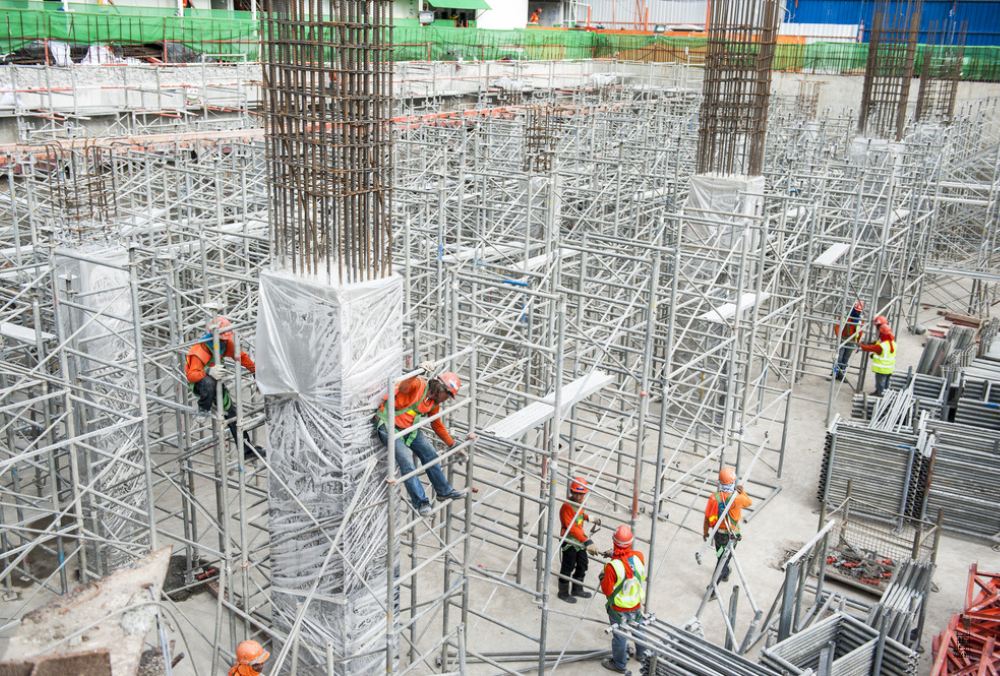
Scaffolding Safety
The Scaffolding Safety Training course is meticulously designed to provide participants with comprehensive knowledge and practical skills required to ensure safe scaffolding practices. This one-day course covers both theoretical and practical aspects, aiming to equip participants with the ability to identify potential hazards, understand the regulatory requirements, and implement safe work practices when using scaffolding systems.
Course Overview
| Course Name | Scaffolding Safety Training |
| Duration | 1 Day |
| Delivery Type | Theory & Practical |
| Languages Available | English and Local Language |
| Minimum Qualification Required | 8th Pass |
Course Description
The Scaffolding Safety Training course is meticulously designed to provide participants with comprehensive knowledge and practical skills required to ensure safe scaffolding practices. This one-day course covers both theoretical and practical aspects, aiming to equip participants with the ability to identify potential hazards, understand the regulatory requirements, and implement safe work practices when using scaffolding systems.
Who Should Attend?
This course is ideal for
- Construction workers
- Site supervisors and foremen
- Safety officers and managers
- Anyone involved in the use, erection, or dismantling of scaffolding
Practical Sessions
Participants will engage in hands-on practical sessions to:
- Erect and dismantle a scaffolding system safely
- Perform scaffolding inspections
- Use personal protective equipment effectively
- Apply safe working practices during scaffolding operations
Assessment nd Certification
Participants will undergo a written assessment and a practical evaluation to demonstrate their understanding and competency in scaffolding safety. Successful candidates will receive a Scaffolding Safety Training Certificate.
Assessment Process
The assessment is designed to evaluate both theoretical knowledge and practical understanding. The written assessment may cover important topics discussed during the course, including scaffold components, common hazards, safe working procedures, inspection requirements, personal protective equipment, and risk control measures.
The practical evaluation allows participants to demonstrate their ability to apply the knowledge gained during the training. Depending on the course requirements, participants may be assessed on their understanding of safe scaffolding practices, hazard identification, inspection procedures, and appropriate safety precautions.
Knowledge And Practical Evaluation
Combining written and practical assessments provides a more complete evaluation of the participant’s understanding. It ensures that learners are not only familiar with safety principles but can also recognize how these principles should be applied in a workplace environment.
Participants are encouraged to actively participate throughout the training, ask questions, and clarify any areas they find difficult. Trainer feedback can help learners understand their strengths and identify areas that may require additional attention before completing the assessment.
Certification
Successful candidates will receive a certificate confirming their successful completion of the training. The certificate can provide evidence that the participant has completed the required learning and assessment activities associated with the course.
Organizations can also explore OGTA’s HSE Training programs for additional workplace safety courses and professional development opportunities. For organizations that require further workplace safety evaluation, our HSE Auditing services can help identify areas for improvement.
For additional information about occupational safety and health, participants can also refer to the International Labour Organization (ILO), which provides international resources and guidance related to workplace safety and health.
Completion Requirements
Participants are expected to attend the required training sessions and complete the relevant assessment activities. Those who successfully meet the course requirements can receive their certificate upon completion.
The assessment and certification process helps ensure that participants leave the course with a clear understanding of safe working practices and the responsibilities associated with scaffolding activities. It also encourages continuous learning and the consistent application of safety procedures in the workplace.
Course Objectives
By the end of this course, participants will be able to:
- Understand the basic concepts of scaffolding and its components.
- Identify and mitigate potential hazards associated with scaffolding.
- Comprehend the legal and regulatory requirements related to scaffolding safety.
- Implement best practices for erecting, using, and dismantling scaffolding systems.
- Perform inspections to ensure scaffolding safety and stability.