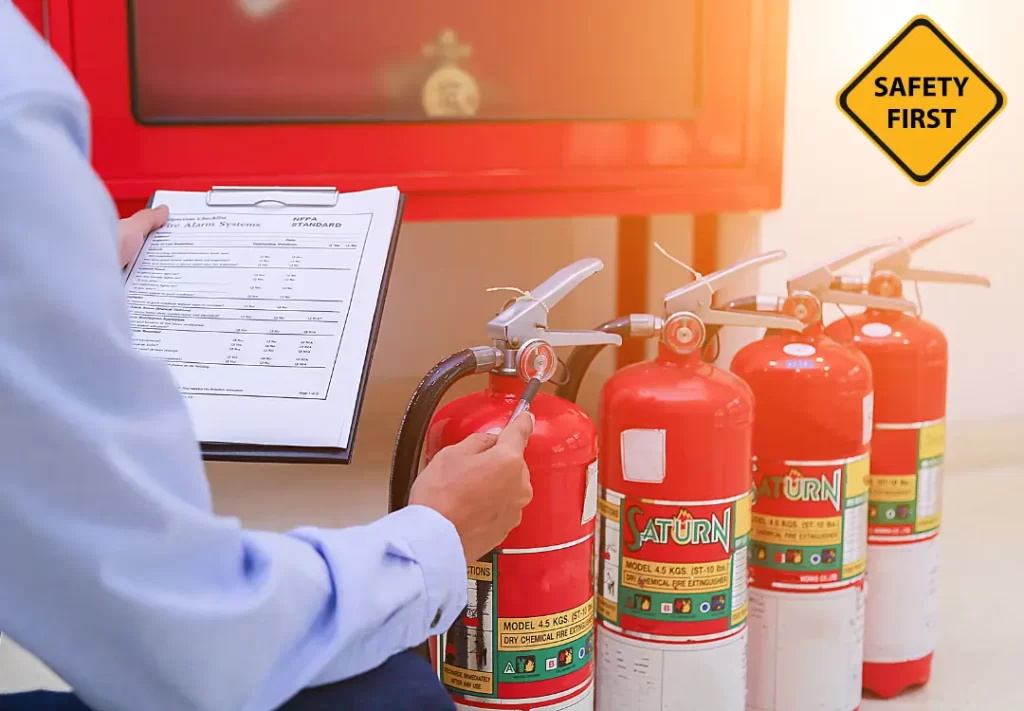

Fire Audit
The objective of the Fire Audit is to ensure the adequacy and effectiveness of fire safety measures, preparedness, and compliance with relevant fire safety regulations and standards. The audit aims to identify potential fire hazards, assess the fire prevention and protection mechanisms in place, and recommend improvements to enhance overall fire safety.
This detailed Fire Audit listing can be added to your training website to inform potential clients about the comprehensive nature of the audit and the benefits it provides in ensuring fire safety and compliance.
Objective
The objective of the Fire Audit is to ensure the adequacy and effectiveness of fire safety measures, preparedness, and compliance with relevant fire safety regulations and standards. The audit aims to identify potential fire hazards, assess the fire prevention and protection mechanisms in place, and recommend improvements to enhance overall fire safety.
This detailed Fire Audit listing can be added to your training website to inform potential clients about the comprehensive nature of the audit and the benefits it provides in ensuring fire safety and compliance.
Scope
The Fire Audit covers the entire premises, including but not limited to:
- Building structure and layout
- Fire detection and alarm systems
- Firefighting equipment
- Emergency exits and evacuation routes
- Fire drills and training
- Fire safety signage
- Storage and handling of flammable materials
- Electrical safety
Audit Criteria
The audit will be conducted based on the following standards and regulations:
- National Fire Protection Association (NFPA) Standards
- Local fire safety regulations and building codes
- Occupational Safety and Health Administration (OSHA) standards
- Best practices in fire safety management
Deliverables
- Detailed audit report with findings, observations, and recommendations
- Compliance checklist
- Corrective action plan
Audit Duration
The duration of the Fire Audit varies based on the size and complexity of the premises. Typically, it ranges from 1 to 3 days.
Factors Affecting the Duration
Several factors can influence the time required to complete the assessment. These may include the overall size of the premises, number of buildings or floors, type of activities carried out, number of occupants, available fire protection systems, and complexity of the existing emergency arrangements.
Larger facilities may require additional time because more areas, equipment, and safety systems need to be reviewed. Similarly, premises with multiple buildings or specialized operations may require a more detailed assessment.
Initial Inspection
The assessment normally begins with an initial review of the premises and relevant safety arrangements. Auditors may examine access and exit routes, emergency exits, fire detection systems, alarm arrangements, firefighting equipment, signage, emergency lighting, and other relevant safety provisions.
Available documentation and procedures may also be reviewed to understand how the organization manages fire-related risks and emergency situations.
Detailed Assessment
During the assessment, the auditor examines relevant areas of the premises and identifies potential hazards or weaknesses in existing arrangements. The time required for this stage depends on the size and complexity of the facility.
The assessment may also involve discussions with responsible personnel to understand existing procedures, maintenance arrangements, emergency plans, and staff awareness. These discussions can provide useful information that may not be immediately visible during a physical inspection.
Reporting and Recommendations
Following the inspection, the findings are reviewed and documented. The final report can highlight identified concerns, areas requiring improvement, and recommendations for appropriate corrective action.
The report provides management with useful information that can be used to prioritize improvements and strengthen existing emergency arrangements. Where necessary, recommendations can also help organizations plan future maintenance, training, or safety improvements.
For organizations looking for additional workplace safety support, OGTA provides HSE Training programs covering a range of safety topics. Organizations can also explore HSE Auditing services for broader workplace safety assessments.
For additional international guidance on occupational safety and health, the International Labour Organization (ILO) provides useful resources and information.
Supporting Documents
To help the assessment proceed efficiently, organizations should make relevant documents and records available where applicable. These may include previous inspection reports, equipment maintenance records, emergency procedures, training records, evacuation plans, and other relevant safety documentation.
Having these materials ready can help auditors understand the existing arrangements and complete the assessment more efficiently.
Follow-Up Actions
The duration of the initial assessment does not include the time required to implement corrective actions. Once the report has been provided, organizations may need additional time to address identified issues and complete recommended improvements.
The required follow-up period will depend on the nature and number of findings. Organizations should prioritize significant safety concerns and maintain records of completed corrective actions.
Overall, the assessment duration is determined by the specific characteristics of each premises. A thorough approach ensures that relevant areas are reviewed properly while providing management with practical information for improving fire safety arrangements.
Audit Process
- Pre-Audit Planning:
- Define the audit objectives, scope, and criteria.
- Develop an audit plan and schedule.
- Assemble the audit team.
- Document Review:
- Review fire safety policies and procedures.
- Examine records of fire drills, training, and maintenance of fire safety equipment.
- On-Site Inspection:
- Inspect the building structure and layout for fire safety compliance.
- Check the functionality of fire detection and alarm systems.
- Verify the availability and condition of firefighting equipment.
- Assess the adequacy of emergency exits and evacuation routes.
- Inspect fire safety signage and emergency lighting.
- Evaluate the storage and handling practices of flammable materials.
- Review electrical safety measures.
- Interviews and Observations:
- Conduct interviews with key personnel responsible for fire safety.
- Observe fire drills and emergency response procedures.
- Reporting:
- Document findings and observations.
- Identify non-compliances and areas for improvement.
- Provide recommendations for enhancing fire safety.
- Prepare a comprehensive audit report.
- Follow-Up:
- Conduct a follow-up audit to ensure corrective actions have been implemented.