
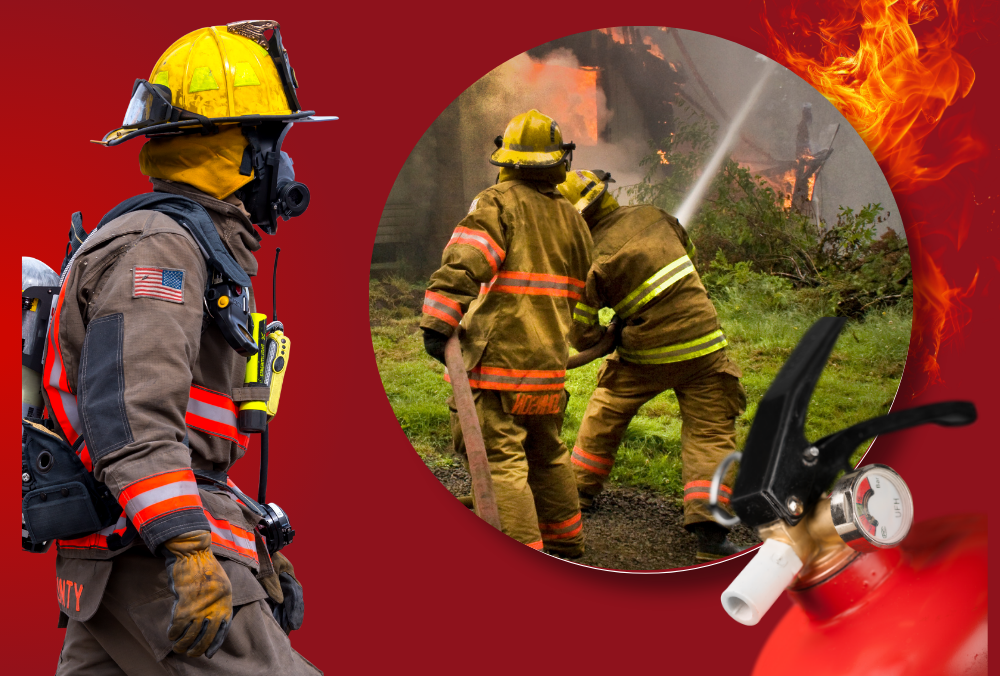
Fire Safety
Fire Safety Training is a comprehensive one-day course designed to equip participants with the knowledge and skills needed to prevent, respond to, and manage fire emergencies in various settings. This course covers essential fire safety principles, practical fire-fighting techniques, and the implementation of fire safety measures to ensure a safe working environment.
Course Overview
| Course Name | Fire Safety Training |
| Duration | 1 Day |
| Delivery Type | Theory & Practical |
| Languages Available | English and Local Language |
| Minimum Qualification Required | 8th Pass |
Course Description
Fire Safety Training is a comprehensive one-day course designed to equip participants with the knowledge and skills needed to prevent, respond to, and manage fire emergencies in various settings. This course covers essential fire safety principles, practical fire-fighting techniques, and the implementation of fire safety measures to ensure a safe working environment.
Who Should Attend?
This course is ideal for
- Employees at all levels
- Safety officers and managers
- Building supervisors and maintenance staff
- Anyone interested in improving their fire safety knowledge and skills
Course Objectives
By the end of this course, participants will be able to:
- Understand the basic principles of fire and fire safety.
- Identify common fire hazards in the workplace.
- Use fire-fighting equipment correctly and effectively.
- Develop and implement effective fire prevention measures.
- Respond promptly and efficiently to fire emergencies.
- Understand the roles and responsibilities in fire safety management.
- Conduct fire risk assessments and drills.
Practical Sessions
Participants will engage in hands-on practice with :
- Fire extinguishers
- Fire hose reels
- Fire blankets
- Conducting fire drills
- Implementing evacuation procedures
Hands-On Activities
The practical part of the course gives participants an opportunity to apply the knowledge gained during the theoretical sessions. Under the guidance of experienced trainers, learners can practice using common firefighting equipment and understand the correct procedures for responding to different emergency situations.
Participants are introduced to the basic operation and appropriate use of different types of firefighting equipment. They learn how to identify suitable equipment for a particular situation and understand the importance of following safe operating procedures.
Fire Extinguisher Practice
Participants can practice the correct handling and use of fire extinguishers in a controlled training environment. The session focuses on understanding the basic principles of extinguisher operation, selecting appropriate equipment, and maintaining a safe distance while responding to a fire.
Practical demonstrations also help learners understand common mistakes that should be avoided during an emergency. Trainers provide guidance throughout the activity to ensure that participants understand the correct approach.
Fire Hose Reel Practice
The course may also include practical demonstrations involving fire hose reels. Participants learn about their basic operation, safe handling, and appropriate use during an emergency. This activity helps learners become more familiar with firefighting equipment that may be available in commercial and industrial environments.
Fire Blanket Demonstration
Participants are shown how fire blankets can be used in appropriate situations. The demonstration explains basic safety precautions and helps learners understand when this type of equipment may be suitable as part of an emergency response.
Fire Drills
Conducting fire drills allows participants to practice responding to a simulated emergency. Learners can become familiar with alarm procedures, emergency communication, evacuation routes, and assembly points.
Fire drills also help identify potential challenges in an organization’s emergency response arrangements. Participants can learn the importance of remaining calm, following instructions, and assisting others where appropriate.
Evacuation Procedures
The practical sessions also focus on implementing effective evacuation procedures. Participants learn how to follow designated escape routes, move safely to assembly areas, and understand the importance of keeping emergency exits accessible.
Organizations can explore OGTA’s HSE Training programs for additional workplace safety courses. Further workplace safety support is also available through HSE Auditing services.
For additional information about workplace fire safety and emergency preparedness, the International Labour Organization (ILO) provides useful occupational safety and health resources.
Practical Safety Awareness
These activities are designed to improve participants’ confidence and awareness when dealing with workplace emergencies. Combining demonstrations, supervised practice, drills, and evacuation exercises helps learners understand how emergency procedures work in real situations.
The practical approach ensures that participants gain more than theoretical knowledge. They have the opportunity to develop practical awareness and understand how appropriate preparation, communication, and teamwork can contribute to an effective emergency response.
Course Content
- Introduction to Fire Safety
- Importance of safety in the workplace
- Overview of safety regulations and standards
- Fire Prevention
- Identifying potential fire hazards
- Implementing fire prevention strategies
- Workplace fire safety regulations and standards
- Fire Detection and Alarm Systems
- Types of fire detection systems
- Proper use and maintenance of fire alarms
- Emergency procedures upon alarm activation
- Fire-Fighting Equipment
- Types and uses of fire extinguishers
- Fire hose reels and fire blankets
- Practical fire-fighting techniques
- Evacuation Procedures
- Developing and implementing evacuation plans
- Roles and responsibilities during an evacuation
- Conducting fire drills and evacuation exercises
- Emergency Response
- First responder actions
- Coordinating with emergency services
- Post-incident procedures and reporting
Certification
Participants who successfully complete the course will receive a Fire Safety Training Certificate recognised by industry standards.